
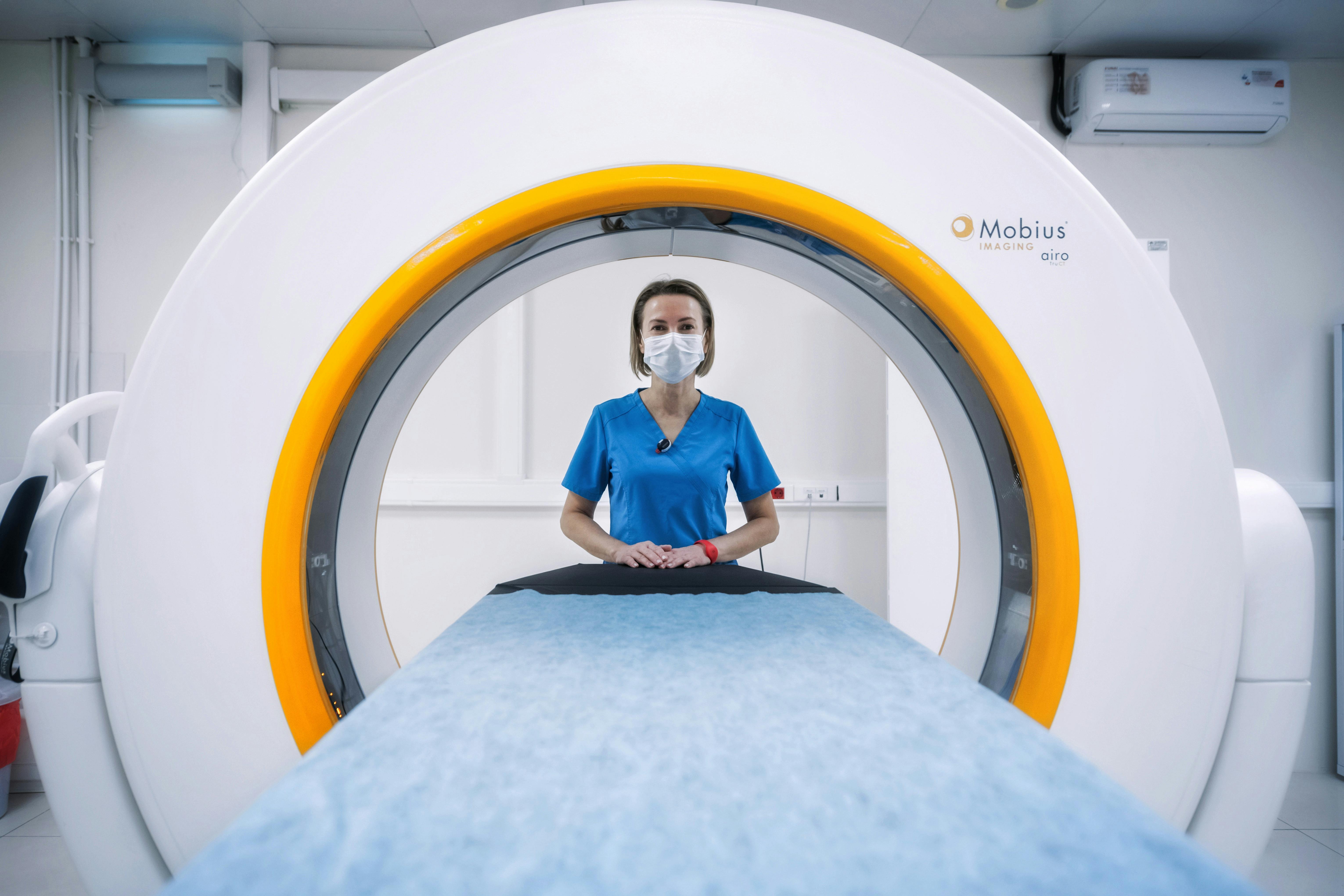
The Pros and Cons of Being a Radiologist: A Comprehensive Overview of the Specialty
Radiology is one of the most technologically advanced and clinically influential fields in medicine. Radiologists help diagnose disease, guide treatment plans, and support nearly every specialty through the interpretation of imaging studies. The work requires precision, reasoning, and collaboration with clinicians across the hospital or health system.
For medical students evaluating specialty options or residents considering long term career direction, radiology offers a compelling mix of intellectual challenge, steady clinical demand, and diverse career pathways. As with every specialty, it has both advantages and challenges. Understanding these can help you determine if radiology matches your strengths, goals, and lifestyle preferences.
Pros of Being a Radiologist
Strong Demand and Career Stability
Radiologists continue to be in high demand nationwide. Growing reliance on imaging, an aging population, and expanded use of advanced modalities all contribute to a strong job market. Radiologists are needed in:
- Hospitals
• Community practices
• Outpatient imaging centers
• Academic medical centers
This demand provides excellent job stability and opportunities across a variety of geographic settings.
Engaging and Diverse Clinical Work
Radiology appeals to individuals who enjoy problem solving and clinical puzzles. Every case offers new questions to answer and patterns to interpret. Radiologists support clinical decision making for emergency physicians, surgeons, oncologists, internists, and nearly every specialty.
The specialty also offers numerous subspecialties, including:
- Neuroradiology
• Musculoskeletal imaging
• Breast imaging
• Cardiothoracic imaging
• Pediatric radiology
• Interventional radiology
Each subspecialty has its own pace and style, allowing you to tailor your career to your interests.
Opportunities for Strong Work Life Balance
While workload varies, many radiologists benefit from predictable schedules and shift-based structures. Groups often use defined daytime, evening, or overnight shifts that reduce unpredictable interruptions. For physicians seeking a balanced lifestyle, radiology can offer appealing scheduling options.
High Earning Potential
Radiology consistently ranks among the higher compensated medical specialties. Earnings vary by region, subspecialty, and practice type, but radiologists generally enjoy strong income potential. Additional compensation opportunities may come from call shifts or productivity-based models.
A Field That Embraces Innovation
Radiology is at the center of medical innovation. New imaging techniques, advanced software, and evolving tools continue to shape the daily work of radiologists. Physicians who enjoy technology and ongoing learning often find radiology especially rewarding.
Cons of Being a Radiologist
High Volume and Cognitive Load
Interpreting a large number of studies requires sustained concentration. Radiologists often work through steady volumes of CT scans, MRIs, ultrasounds, and X rays. Maintaining accuracy under time pressure can be mentally demanding, especially during busy shifts or overnight coverage.
Limited Direct Patient Interaction
Most radiology subspecialties involve minimal face-to-face contact with patients. While interventional radiology offers more procedures and patient interaction, many radiologists spend the majority of their day at the workstation. If you prefer frequent bedside interaction, this aspect of the specialty may feel limiting.
Rapid Changes in Technology
The pace of innovation in radiology requires constant learning and adaptation. New machine capabilities, updated protocols, and emerging artificial intelligence tools continually shape workflows. For physicians who prefer stable processes or slower paced environments, this level of change can feel challenging.
Variable Call Responsibilities
Work life balance can be strong in radiology, but call requirements vary significantly. Emergency radiology and interventional radiology often involve overnight or weekend coverage. High volume practices may have heavier call burdens, which can affect lifestyle depending on the practice environment.
Possibility of Professional Isolation
Although radiologists collaborate with clinicians, much of the day involves independent work. Some physicians thrive in this focused environment, while others may prefer more interactive or team-based roles. Choosing the right practice setting helps reduce the feeling of workplace isolation.
Career Pathways in Radiology
Radiologists can choose from a range of practice settings, including:
- Hospitals
• Outpatient imaging centers
• Academic departments
• Teleradiology groups
• Interventional suites
• Hybrid roles that combine teaching, research, and clinical work
This flexibility allows radiologists to shift their career direction over time as their personal or professional needs evolve.
Is Radiology the Right Fit for You?
Radiology blends analytical thinking, medical knowledge, and clinical impact. Physicians who thrive in the field often enjoy detailed work, intellectual challenges, and the opportunity to influence patient care behind the scenes. The specialty offers high job satisfaction for those who appreciate independence, collaboration, and technology driven medicine.
At the same time, cognitive demands, limited patient interaction, and rapid technological shifts may not appeal to everyone. Understanding both sides of the specialty can help you decide whether radiology aligns with your strengths and long-term vision.
Looking for Your Next Radiology Opportunity
If you are exploring radiology positions or preparing for your next career step, PracticeMatch offers a nationwide job board with hundreds of opportunities across hospitals, imaging centers, and medical groups. You can filter roles by location, subspecialty, shift structure, and more to find the right fit for your professional goals.