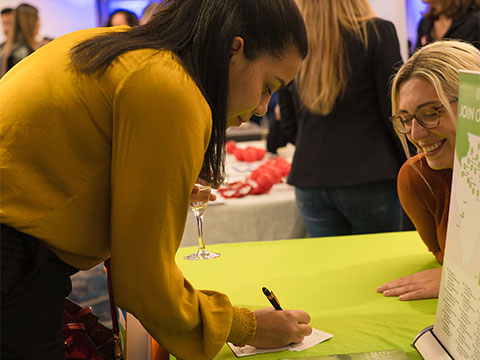
Career fairs continue to be one of the most powerful ways healthcare organizations connect with physicians, residents, fellows, and advanced practice providers. Whether you’re meeting candidates at a national specialty conference or participating in a virtual fair, these events create opportunities for real conversations, something digital outreach alone can’t always provide.
But the teams that get the best results aren’t simply showing up. They’re preparing intentionally, engaging thoughtfully, and following up with structure. A well-executed career fair strategy can turn a single day of conversations into a strong, actionable slate of potential hires.
This playbook breaks down what high-performing recruitment teams do before, during, and after each event to maximize impact.
Before the Event: Preparation That Drives Better Conversations
Effective recruiting at career fairs begins long before the doors open. The strongest teams start with alignment: which roles are most important right now? What questions are candidates likely to ask? Do you have updated job descriptions ready to reference?
Even if you’re hiring across many specialties, narrowing the list to a few priority roles helps you speak more confidently about expectations, schedules, support models, and culture. Candidates appreciate clarity—and they remember it.
Warming up the audience also makes a significant difference. A brief email or social post announcing your participation can encourage trainees or clinicians to stop by. For larger events, many teams send short, personalized messages to attendees who match key specialties or graduation years. It’s not pushy; it’s helpful context that increases your visibility.
Finally, plan your logistics. How will you capture information? Who will triage quick questions versus deeper conversations? If you’re bringing marketing materials, make sure they’re accurate, visually clear, and easy to scan. A few minutes spent planning your booth workflow can prevent missed opportunities later.
During the Event: Engagement That Builds Trust
Once the event begins, the goal shifts from preparation to meaningful interaction. Most candidates walk into career fairs feeling overwhelmed by choices, and the booths that stand out combine friendliness with clarity.
Start with simple, open-ended questions to understand what a candidate is exploring:
“What kind of role are you considering next?”
“What matters most to you in your next practice?”
These conversations reveal fit quickly while helping candidates feel heard, not pitched.
When describing your roles, keep explanations focused on the top factors clinicians care about: schedule consistency, call structure, team dynamics, onboarding, and growth opportunities. Save compensation details for later unless the candidate brings them up. What matters most at a career fair is connection, not negotiation.
It’s also helpful to take quick but effective notes. Jot down what drew the candidate to your booth, any locations, or specialties they mentioned, and what next step—if any—they seemed open to. You’ll rely on these details heavily during follow-up.
Visual clarity matters too. A clean booth layout, clear signage, and visible QR codes help candidates approach with confidence. Many attendees decide where to stop simply based on which booths feel approachable and easy to understand.
After the Event: Follow-Up That Converts Interest into Momentum
Career fairs generate energy—but without a good follow-up system, much of that momentum fades. The most successful teams reach out within 24–48 hours to keep the conversation moving.
Warm candidates should receive personalized outreach. Reference your conversation and offer a clear next step, such as scheduling a call or connecting them with a hiring leader. General leads can receive a friendly thank-you message and an invitation to review open opportunities.
Organizing and tagging your leads immediately is one of the best ways to prevent missed connections later. Tagging by specialty, graduation year, interest level, and geographic preference helps ensure that no candidate falls through the cracks. It also creates a cleaner foundation for future outreach campaigns.
Internally, a quick team debrief is invaluable. Reviewing which specialties generated the most interest, what questions candidates asked, and where information gaps appeared helps refine your future event strategy. Over time, this turns career fairs from single events into a core, optimized part of your recruiting engine.
Why Career Fairs Matter More Than Ever
Even with sophisticated sourcing tools, physicians and APPs consistently value personal interaction. A brief conversation at a fair can reveal things no application ever will—communication style, cultural alignment, and overall fit.
For recruitment teams, career fairs also offer immediate insight into what clinicians are prioritizing today. The market evolves quickly, and the themes you hear in real time often become your most valuable recruiting intel.
With the right preparation and a strong follow-up plan, career fairs become more than just networking events—they become a dependable driver of pipeline strength and future hires.
Strengthen Every Stage of Your Recruitment Strategy with PracticeMatch
Recruiters who want to maximize their impact—at career fairs and beyond—can benefit from the full suite of tools PracticeMatch offers. From our nationwide job board and specialized databases to recruiter resources and outreach support, we help organizations connect with qualified physicians and APPs more effectively.
And if you’re ready to boost your in-person and virtual engagement, don’t miss our upcoming events. PracticeMatch hosts some of the industry’s most trusted career fairs, connecting employers with physicians, residents, fellows, and APPs actively exploring opportunities.
View upcoming career fairs and secure your booth today.