
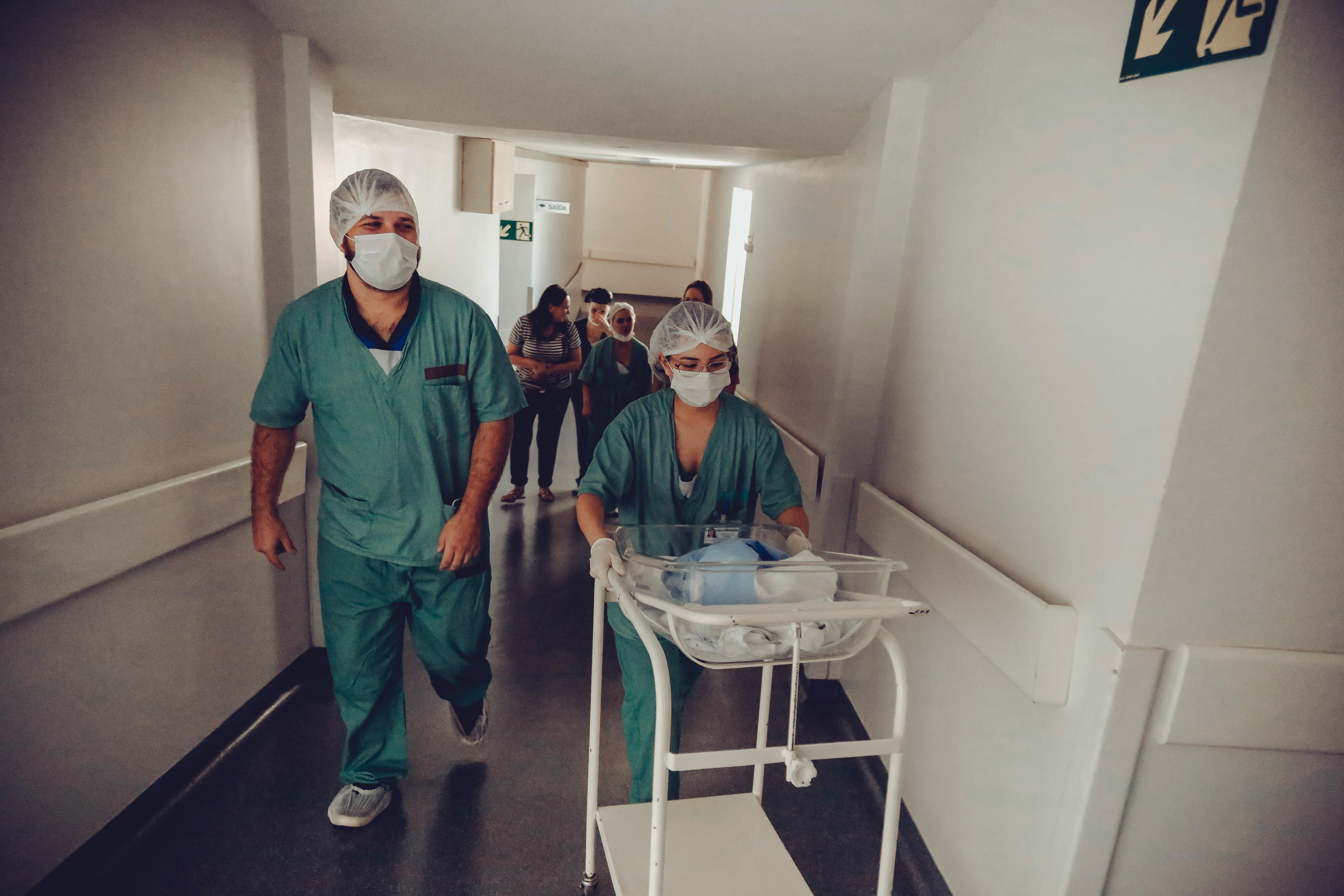
Labor and delivery nurses play a vital role in supporting mothers and newborns during one of life’s most important moments. As healthcare systems continue to recruit skilled maternity care professionals, labor and delivery (L&D) nurses remain in strong demand across hospitals, birth centers, and specialty care facilities.
For registered nurses interested in women’s health, this specialty offers meaningful patient relationships, strong career stability, and opportunities for professional growth.
What Is a Labor and Delivery Nurse?
A labor and delivery nurse is a registered nurse (RN) who specializes in caring for patients throughout pregnancy, labor, childbirth, and immediate postpartum recovery.
These nurses work closely with:
-
Obstetricians
-
Midwives
-
Neonatal care teams
-
Anesthesiologists
Their primary focus is ensuring the safety and well-being of both mother and baby.
Key Responsibilities
Labor and delivery nurses are responsible for:
-
Monitoring maternal and fetal vital signs
-
Assisting during labor and delivery
-
Administering medications and IVs
-
Supporting emergency interventions when needed
-
Educating and supporting patients and families
This role requires strong clinical skills, emotional intelligence, and the ability to respond quickly in high-pressure situations.
How to Become a Labor and Delivery Nurse
Becoming a labor and delivery nurse requires registered nurse licensure and specialized clinical experience.
Step 1: Earn a Nursing Degree
Aspiring nurses must complete one of the following:
-
Associate Degree in Nursing (ADN), or
-
Bachelor of Science in Nursing (BSN)
Many hospitals prefer BSN-prepared nurses, especially for specialty roles.
Step 2: Pass the NCLEX-RN and Obtain Licensure
Graduates must pass the NCLEX-RN exam to become licensed Registered Nurses.
Step 3: Gain Clinical Experience
Many labor and delivery roles require prior nursing experience, often in:
-
Obstetrics
-
Postpartum care
-
Medical-surgical units
Some healthcare employers offer nurse residency programs that provide specialized L&D training.
Step 4: Earn Specialty Certification
Certification can improve career advancement and earning potential.
One of the most recognized credentials is:
Inpatient Obstetric Nursing Certification (RNC-OB)
Offered by the National Certification Corporation
This certification demonstrates advanced expertise in maternity care.
Labor and Delivery Nurse Salary and Benefits
Labor and delivery nurses often earn competitive salaries, especially in high-demand regions.
Compensation varies based on:
-
Geographic location
-
Experience level
-
Healthcare facility
Many employers offer comprehensive benefits, including:
-
Health insurance
-
Retirement plans
-
Tuition reimbursement
-
Paid parental leave
-
Continuing education support
These benefits make labor and delivery nursing an attractive long-term career choice.
Job Outlook for Labor and Delivery Nurses
The job outlook for labor and delivery nurses remains strong due to ongoing nursing shortages and continued demand for maternity care services.
According to the U.S. Bureau of Labor Statistics, employment for registered nurses is projected to grow steadily over the next decade.
Demand is driven by:
-
Nursing workforce retirements
-
Continued need for hospital-based care
-
Expansion of specialized women’s health services
Healthcare employers nationwide continue to recruit experienced L&D nurses.
Where Labor and Delivery Nurses Work
Labor and delivery nurses work in a variety of clinical settings.
Common employers include:
Hospital Labor and Delivery Units
Hospitals remain the primary employer, handling both routine and high-risk births.
Birth Centers
Birth centers offer a more personalized care environment focused on low-risk pregnancies.
Neonatal Intensive Care Units (NICUs)
Some labor and delivery nurses transition into neonatal care roles.
Obstetrics and Gynecology Clinics
These clinics provide prenatal and postpartum care.
Skills Needed to Be a Successful Labor and Delivery Nurse
Labor and delivery nursing requires both technical expertise and strong interpersonal skills.
Key qualities include:
Clinical decision-making
Ability to respond quickly during emergencies
Communication skills
Supporting patients, families, and care teams
Compassion and empathy
Providing emotional support during childbirth
Adaptability
Managing unpredictable clinical situations
Is Labor and Delivery Nursing a Good Career?
Labor and delivery nursing offers:
-
Strong job stability
-
Competitive salaries
-
Career advancement opportunities
-
Meaningful patient care experiences
For nurses passionate about women’s health and family care, this specialty provides a rewarding and impactful career path.
PracticeMatch helps nurses explore labor and delivery opportunities nationwide, connecting qualified candidates with healthcare employers seeking specialized talent.